Whether you’re battling a tiny wardrobe, overflowing hangers or piles of shoes on the floor, a little planning goes a long way. With a simple, step-by-step approach, you can clear the clutter, re-think your layout and create a closet that actually works for your daily routine. Many of the same strategies you’d use for a small entryway closet makeover also work beautifully inside a bedroom closet.
Steps to Declutter Your Clothes Closet:
If your schedule is packed, the idea of a full closet overhaul can feel impossible. The good news: you don’t have to do everything in one day. Short, focused sessions—tackling just one shelf, one rod or even one drawer at a time—still move you forward and prevent burnout.
Think of this as a series of bite-sized projects instead of one giant task. Below are the exact steps I rely on to declutter, re-organize and refresh my closets, whether I’m working with a standard reach-in or adding new closet kits with drawers for extra storage.
1. Where to Start When De-Cluttering a Closet…
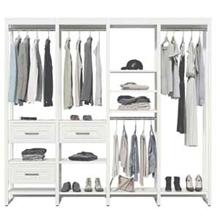
Begin by emptying the closet completely. Take every single item off the rod, shelves and floor. Seeing the space bare gives you a clean slate and makes it easier to imagine a new layout. It also gives you a chance to wipe down shelves, dust baseboards and vacuum the floor before anything goes back in.
2. What Should You Keep or Discard?
Next, sort everything into four piles: keep, donate/sell, trash and maybe. The “maybe” pile is your pressure valve—use it for pieces you’re not ready to decide on yet so you don’t stall the whole process.
Work quickly through the obvious yes/no items first. Once the easy decisions are done, you can circle back to the “maybe” stack with a clearer head and a better sense of how much space you actually have.
From experience, it helps to keep anything you’ve worn or used in the last year, plus a small number of truly meaningful pieces. Items that no longer fit, don’t match your current style or never leave the hanger are usually good candidates to let go. Ask yourself: “Would I buy this again today?” If the answer is no, it may be time to release it.
Focus on curating a wardrobe you enjoy wearing now, not one that’s based on past versions of yourself. That mindset shift alone frees up a surprising amount of closet space.
Note: A simple rule that makes decisions easier is the “12-month test.” If you haven’t worn or used an item in a year (and it’s not formalwear or truly special), pass it along so someone else can enjoy it instead of letting it sit untouched in your closet.
3. Where to Give or Sell Your Unused Clothing:
Once your “let go” pile is sorted, decide which pieces are worth selling and which are better for donation or recycling. Gently used, on-trend items may do well on sites like Poshmark or Thredup, or at a local consignment shop.
Well-loved basics or pieces with more wear often move better on eBay, at a yard sale or through local buy/sell groups. Even small amounts can add up and help offset the cost of a new closet organizer system or fresh storage bins.
Tip: If you’re concerned about waste, prioritize donation and textile recycling. Many charities, thrift stores and community programs accept clothing and household textiles, and some retailers offer take-back programs so items can be reused or repurposed instead of going into the trash.
Sentimental pieces can be the hardest part of the process. One helpful strategy is to photograph meaningful items—like a special dress or jacket—before letting them go. You keep the memory without needing to store the physical item. If you’re unsure, release things gradually rather than all at once.
4. How Do You Organize Your Closet Effectively?
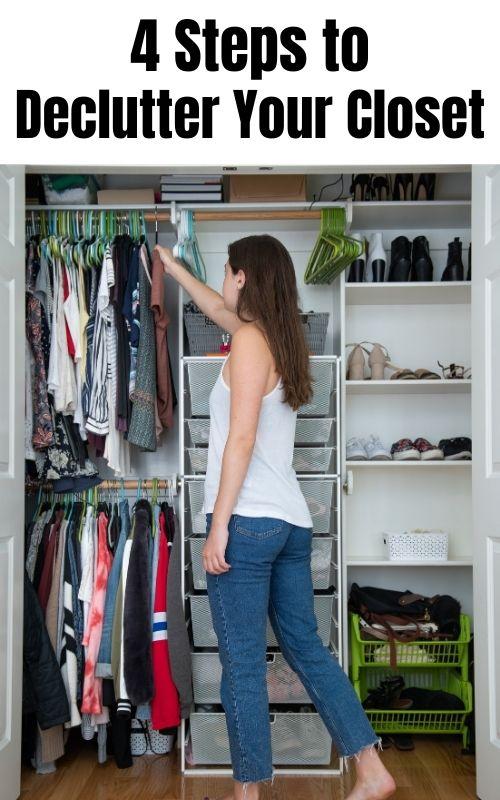
After decluttering, it’s time to put everything back in a more intentional way. Start by grouping items by category: tops, bottoms, dresses, outerwear, shoes and accessories. Within each group, you can sort further by color or by how often you wear them.
Keep everyday clothing at eye level, less-used pieces higher up and special-occasion items off to the side. Use hooks or specialty hangers for scarves, belts and bags so they don’t end up in tangled piles. This same zone-based layout works wonderfully in a closet with a small dresser inside too—just treat drawers as another “category” zone.
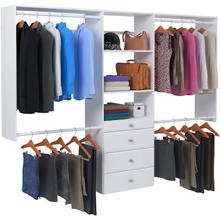
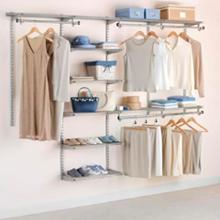
Once your layout is mapped out, take measurements if you’d like to invest in a new closet organizer system. You can also layer in stackable storage drawers, hanging organizers or ClosetMaid Cubeicals to give smaller items a dedicated home.
Note: The right mix of shelves, rods and drawers doesn’t just cut clutter—it also makes it easier to put things away in the right spot. When every item has a “home,” your closet stays neat with far less effort, and you can usually fit more in without it feeling overloaded.
How to Maximize Space in Your Closet:
1. Use your vertical space from floor to ceiling. The top shelf is prime real estate for out-of-season items, extra bedding or rarely used accessories. Stash them in labeled bins or baskets so they stay contained and easy to grab when you need them.
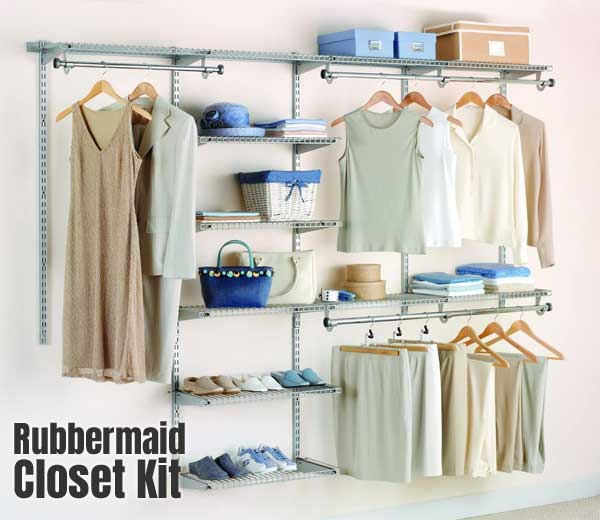
2. Add a second hanging rod or swap a single long hang for a combination of double rods and shelving. Two shorter rows of hanging space can hold twice as many shirts, skirts and pants. You can do this with a full system or with a budget-friendly option like a Rubbermaid Closet Organizer.
3. If your closet has swing-out doors, don’t ignore the back of them. Add over-the-door organizers for shoes, accessories or small folded items. It’s a quick, under-$50 way to dramatically increase storage without any major construction. For even more usability, pair this with good small closet lighting so every corner is easy to see.
3 Small Closet Organization Ideas:
When you’ve decluttered as much as you can and your closet is still tight, it’s time to “expand” beyond the door. Borrow storage from under the bed, behind doors or along the wall with freestanding units—similar to how you might add a freestanding pantry cabinet in a kitchen for overflow food storage.
Increase Closet Storage by Adding Under-Bed Drawers:
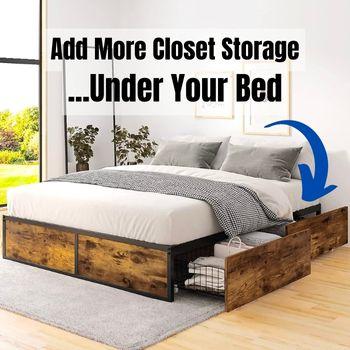
First, take advantage of the “hidden” real estate under your bed. Add roll-out drawers or choose a platform bed frame with built-in drawers. You’ll gain a surprising amount of extra storage while keeping everything out of sight.
- Hidden Storage Space: Uses space that would otherwise sit empty, while keeping the room looking uncluttered.
- Seasonal Item Storage: Perfect for storing off-season clothing, bedding or bulky shoes you don’t need every day.
- Protective Storage: Keeps items shielded from dust and sunlight compared to open baskets or floor piles.
- Easy Access: Roll-out drawers mean you can grab what you need without dragging heavy boxes around.
- Versatile Use: Great for clothes, but also handy for craft supplies, books, kids’ toys and more.
Free Up More Closet Space with Door-Hanging Organizers:
Next, move as many shoes and small items as you can off the closet floor and onto the back of a door. An over-the-door shoe organizer on your bedroom or bathroom door instantly opens up a lot of space inside the closet.
- Maximize Vertical Space: Uses the back of the door instead of precious shelf or floor space.
- Multi-Purpose: Works for shoes, but also scarves, socks, cleaning supplies or kids’ items.
- Quick Visibility: Clear pockets or open slots make it easy to see exactly what you have.
- Protects Shoes: Keeps pairs separated so they don’t get crushed or scuffed in a heap.
- Space-Efficient: Frees up closet space for hanging clothes or additional shelving.
- Low Commitment: Hangs in seconds and can be moved or removed with no tools.
Implement Freestanding Closet Organizers
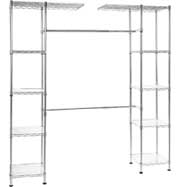
Finally, if your built-in closet is tiny but you have some open wall space in the bedroom, consider adding freestanding closet organizers. Many styles combine hanging rods, shelves and drawers in an attractive, open-frame design. As long as you keep them tidy, they can look intentional and stylish while giving you the storage your built-in closet can’t provide.
Summary:
Decluttering your closet doesn’t have to be overwhelming. By emptying the space, sorting with clear criteria, re-homing what you no longer need and then rebuilding your layout with smart organizers, you can turn even a small, crowded wardrobe into a streamlined, easy-to-use storage zone. Combine these steps with smart add-ons—like under-bed drawers, over-the-door organizers and modular closet kits with drawers and shelves—and your closet will feel bigger, calmer and much easier to maintain over time.