Turning your wardrobe into a calm, organized zone is one of the fastest ways to cut visual clutter in your home. With the right mix of drawers, bins and shelves, you can squeeze far more into the same footprint and still see everything at a glance. Whether you’re working with a reach-in, a small walk-in closet, or a freestanding wardrobe, smart storage pieces make all the difference. Below, you’ll find a comparison of popular closet storage options, what they’re best for, and where to find them.

Why Invest in Smart Storage Solutions?
- Space Optimization: Take advantage of vertical real estate with shelves, tall bins and stackable closet drawers so you can store more without needing a bigger closet.
- Improved Accessibility: When everything has a defined home, you spend less time hunting for sweaters, shoes or handbags—and more time actually wearing them.
- Customization: Mix and match drawers, cubes and baskets to suit your specific wardrobe—whether you own more folded knits, hanging dresses, or small accessories.
- Enhanced Aesthetics: Coordinated bins and drawer fronts instantly make a wardrobe feel pulled together, especially when paired with a simple modular closet system.
Popular Storage Solutions for Your Closet
1. Modular Systems
Modular pull-out systems work like building blocks for your wardrobe. You can start with a few drawers or baskets and expand as your needs change. They’re ideal for t-shirts, loungewear, undergarments and accessories that tend to pile up on shelves when they don’t have contained spaces.
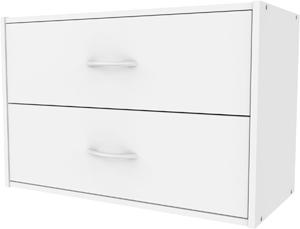
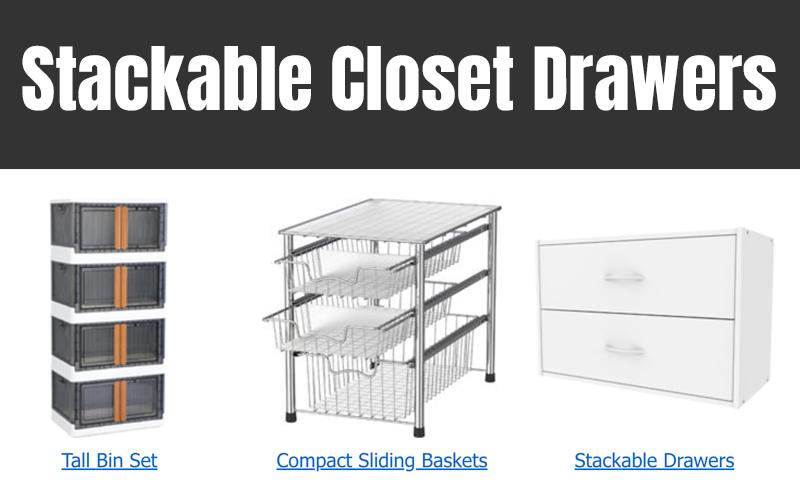
- ClosetMaid 2-Drawer Organizer: A simple, modern drawer stack that slips under hanging clothes or into a wardrobe. It hides visual clutter and pairs well with other stackable closet drawers when you want more layers of storage.
- Target’s Room Essentials: Budget-friendly, streamlined modular dressers that come in 2- and 3-drawer versions, plus cubby/drawer combinations. They’re similar to the IKEA MALM line and work well in bedroom closets or as freestanding storage—just remember to anchor taller pieces to the wall for safety.
2. Interlocking Bins and Baskets
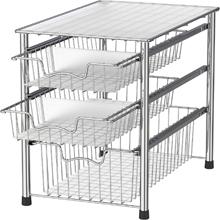
Stackable bins and tiered baskets are perfect when you’d rather go “up” than spread out across the floor. They corral loose items and make it easy to sort by category—think out-of-season clothing, bulkier sweaters or handbags that don’t sit well on open shelves.
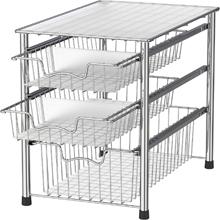
- Tiered Basket Organizers: Open, industrial-style metal baskets that slide or tilt forward so you can see everything at once. Tool-free assembly makes them a nice add-on to an existing freestanding closet system.
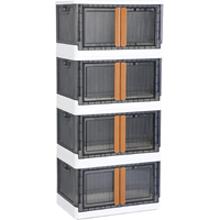
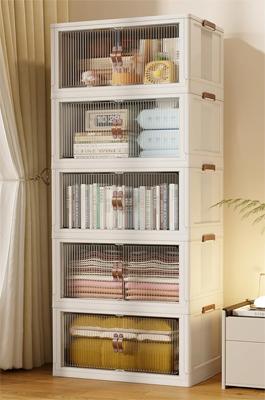
- Stacking Storage Bins: Sturdy plastic bins with see-through doors so you can spot what’s inside without unstacking anything. Available in multiple colors and heights, they’re great for shoes, kids’ clothes or off-season items.
3. Adjustable Shelving Units
Sometimes you need open, flexible shelves in addition to drawers and bins—especially for bulky items, baskets, or labeled boxes. Adjustable shelving lets you change the layout as your wardrobe evolves, or as you add new organizers over time.
- ClosetMaid Cubeicals: Simple cube shelving that can sit on the floor or inside a closet. Add fabric bins for a softer look, or leave some cubbies open for shoes and folded jeans.
- Easy Track Closet Kits with Drawers: Wall-mounted systems that combine shelves, rods and drawers to create a built-in look. They work well when you’re ready to upgrade from basic wire shelving to something more polished.
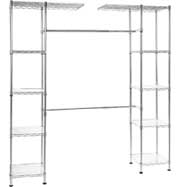
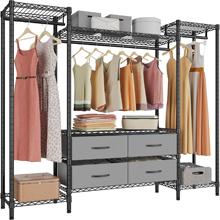
- Wire Garment Rack with Fabric Drawers: A freestanding wardrobe unit that combines hanging space with soft drawers. Because it’s not built in, you can reposition shelves and drawers or move the whole unit to another room if your storage needs change.
Essential Features to Look For:
Before you commit to new bins or drawer stacks, keep these details in mind so your system actually works day-to-day:
- Material: Look for durable plastics, coated wire, wood or metal that can handle frequent use. Lightweight options are fine for scarves and tees; heavier pieces are better for denim and sweaters.
- Size: Measure the interior width, depth and height of your closet so tall bins, drawers and cube units actually fit. This is especially important if you’re pairing them with an existing track-style closet organizer.
- Weight Capacity: Check the recommended load for shelves and drawers—overstuffing can cause sagging or warping over time.
- Accessibility: Sliding baskets, hinged doors and smooth-glide drawers make it easier to grab what you need and put things away quickly, which helps your system stay organized long term.
My Final Thoughts:
Thoughtful storage pieces are the backbone of any organized closet. When you combine a few well-chosen drawers, cubes and baskets with a solid layout—whether that’s a simple rail-and-shelf setup or a full modular closet system—your wardrobe becomes easier to use and much more enjoyable to look at. Start with your biggest pain points (overflowing shelves, piles on the floor, nowhere for accessories) and layer in the solutions that tackle those first. With the right mix, you’ll end up with a closet that looks tidy, functions smoothly and truly supports your daily routine.