Choosing a modular closet system isn’t just a quick purchase—it’s a long-term upgrade to how your home functions day to day. The right setup can turn a cluttered wardrobe into a calm, easy-to-use space, whether you’re updating a reach-in, a small walk-in closet or even an open wall system. Here’s what to look for so your new closet stays beautiful and practical for years.


Essential Features to Look For
1. Material Quality: Prioritize sturdy construction such as solid wood, high-grade MDF or heavy-duty metal frames. These materials resist sagging and chipping and feel more like a custom built-in than a temporary solution. If you’re going for a premium look similar to upscale free-standing closet systems, pay attention to edge banding, finishes and hardware quality as well.
2. Customizability: The main advantage of modular closets is that you can mix and match components. Look for systems with a generous selection of towers, drawers, shelves, shoe storage and hanging sections so you can tailor the layout to your wardrobe. If your needs change later, you can often reconfigure modules instead of starting over, similar to how true modular closet systems are designed to grow with you.

3. Easy Assembly: If you’re installing the system yourself, choose a design that arrives with clear instructions, labeled parts and pre-drilled holes. Flat-pack units that lock together cleanly save time and frustration. Many homeowners find that modular systems install more easily than complex track kits, especially if they’ve already tackled projects like closet kits with drawers.
4. Adjustability: Life changes—and your storage should be able to keep up. Adjustable shelves and movable hanging rods let you re-balance the space for long dresses, short hanging, folded sweaters or bins. Track-based organizers such as ClosetMaid ShelfTrack–style systems are especially helpful if you want to tweak the layout regularly.
5. Integrated Lighting: Good lighting turns a dark, crowded closet into a calm, easy-to-use dressing area. Some higher-end modular systems include built-in LEDs, but even basic units can be upgraded with aftermarket strip lights or puck lights. Illuminating shelves, drawers and high cubbies makes it much easier to see colors and find what you need quickly.

6. Aesthetic Versatility: Because modular units look more “built-in” than wire racks, you’ll want a finish that works with your home’s style. Consider whether you prefer bright white, wood-look finishes or darker tones that mimic furniture. If you already have a freestanding wardrobe system in the room, choose a complementary color so everything feels cohesive.
7. Space Efficiency: A smart system squeezes maximum storage out of the footprint you have. Look for corner units, vertical towers, built-in shoe shelves and pull-out accessories that make use of otherwise wasted zones. Many people combine a modular system with stackable closet drawers to take advantage of lower wall space under hanging clothes.
Pros and Cons of Modular Closet Systems
Pros:
- Flexibility: You can adapt the layout to awkward rooms, sloped ceilings or oddly sized reach-in closets far more easily than with off-the-shelf furniture pieces.
- Expandability: Many brands let you start with a basic kit and add towers, drawers or extra rods later as your budget and storage needs grow.
- DIY-Friendly: Pre-fabricated parts and modular design usually mean you can install the system yourself, avoiding the labor cost of a fully custom build.
Cons:
- Upfront Cost: Higher-quality systems with solid construction and attractive finishes can cost more than simple wire kits.
- Less Than Fully Custom: While modular designs are flexible, they still rely on pre-set widths and heights and won’t match the millimeter-level fit of a true custom carpenter-built closet.
- Assembly Time: Even with good instructions, larger installations can take a weekend or more, especially if you’re also painting, patching or upgrading lighting.
Step-by-Step DIY Guide: From Measuring to Installation
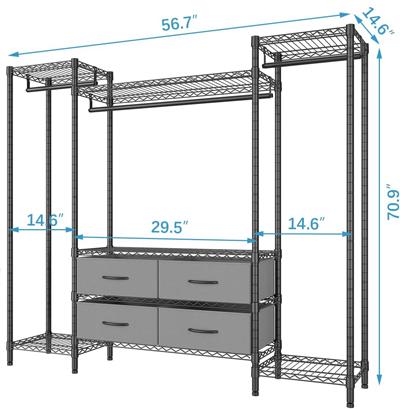
1. Measure Your Space: Carefully measure width, depth and ceiling height, and note outlets, vents or baseboard heaters. If you’re upgrading an existing system like a Rubbermaid closet kit, also measure where current rods and shelves sit so you can decide what to keep or change.
2. Plan Your Layout: Sketch your space on graph paper or use an online planning tool. Estimate how much hanging vs. folded storage you need and where shoes, bags and accessories will live. Keep walkways clear and think about which items you want at eye level versus higher or lower shelves.
3. Choose Your Components: Using your layout as a guide, pick towers, drawers, long-hang sections, double-hang areas and shoe storage. Don’t forget add-ons like belt hooks, valet rods or jewelry trays—these small details can make a big difference in everyday use.
4. Prepare Your Closet: Empty the space completely, remove any old shelving you’re not reusing and repair nail holes or wall damage. This is a great time to repaint or brighten things up before your new modular system goes in.
5. Assemble the System: Build the main sections according to the manufacturer’s instructions. Start with the primary towers or vertical supports and use a level as you go. If your system is wall-mounted, locate studs and use appropriate anchors for safety.
6. Install Accessories: Once the framework is stable, add shelves, drawers, shoe racks and rods. Adjust heights until the layout feels comfortable and functional—similar to how you might fine-tune a walk-in closet organizer for best everyday use.
7. Organize Your Items: Load items back in by category: workwear, casual, workout, special occasions, etc. Keep frequently used pieces at arm’s reach and reserve higher shelves for off-season storage or rarely used items.
Pro Tips to Avoid Common Mistakes
- Give Planning Enough Time: A thoughtful layout will serve you for years—don’t rush the design phase just to get boxes out of the hallway.
- Double-Check Every Measurement: Measure walls, corners and clearances twice before ordering; small errors can affect how towers and rods fit together.
- Secure Everything Properly: Anchor tall units to studs or use proper hardware so the system can’t tip, especially in kids’ rooms or busy walk-in closets.
- Use High and Corner Space: Add upper shelves, corner units or extra rods so you’re using the whole wall, not just the middle band.
Budget Considerations
The price range for modular closet systems is wide, and understanding where different products fit can help you match your wish list to your budget.
- Basic Systems: Around $200–$500. Typically made from MDF, particleboard or simple metal frames, these systems often focus on shelves and hanging rods with fewer accessories.
- Mid-Range Systems: Roughly $500–$1,500. Here you’ll see better finishes, stronger hardware, more tower configurations and optional upgrades like soft-close drawers or glass fronts—similar to higher-end closet kits that include drawers.
- Premium Systems: $1,500–$5,000+. These often use solid wood, custom-style trim, integrated lighting and luxury hardware. They’re ideal if you want a built-in look that feels like fine furniture.
My Final Thoughts:
Installing a modular closet system is about more than squeezing in a few extra shelves—it’s about designing a space that fits the way you actually live and get dressed. When you focus on quality materials, flexible components, thoughtful lighting and smart use of every inch, your closet starts to feel like a personalized dressing room instead of a crowded storage box.
Whether you choose a simple starter kit or invest in a high-end configuration, take the time to plan carefully, measure accurately and anchor everything securely. Combine your modular system with good lighting, a few stackable drawer units or baskets and you’ll end up with a closet that looks polished, functions smoothly and makes daily life a little more enjoyable every time you open the door.