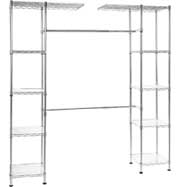
Thoughtful closet lighting can completely change how your storage space looks and feels. Whether you’re working with a tight reach-in or a full walk-in setup, the right fixtures make it easier to see your clothes, keep things organized and enjoy using the space every day. This guide walks you through practical options and installation tips so you can choose closet lighting that works beautifully with your existing shelves, rods and modular closet systems.
Why Good Lighting is Essential
Lighting is one of the most overlooked parts of closet design, yet it has a huge impact on how functional the space feels. When shelves and hanging areas are properly lit, you can quickly see colors, fabrics and small details—no more guessing between black and navy in a dim corner. Clear visibility also makes it easier to keep your closet tidy, because you’re not constantly pulling things out to see what’s hiding in the shadows.
In a larger walk-in closet organizer, adding low-profile LED strip lights along shelves or inside cubbies can softly highlight stacks of folded clothes, handbags and accessories. Instead of rifling through piles, you can scan your options at a glance and grab exactly what you need.

Pairing strips with a bright overhead flush-mount fixture or a motion-sensor light ensures that even the deepest corners and upper shelves are usable, not just storage “dead zones.” When every section is well-lit, it’s much easier to keep clutter from building up in hidden areas.
Good lighting also boosts the overall atmosphere of your closet. A soft, even glow can make a basic reach-in feel more like a boutique. That inviting look encourages you to maintain the space and pairs nicely with any upgrades you’ve made to shelving, drawers or closet kits with drawers.
Ultimately, the right lighting makes getting dressed smoother and more enjoyable—from choosing outfits to putting everything back where it belongs.
Top Lighting Options for Closets
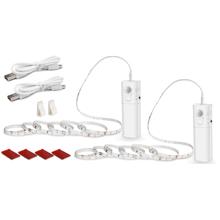
1. LED Strip Lights: These flexible strips are perfect when you want light exactly where your clothes are. They can run under shelves, along the back of a hanging rod or around the inside frame of a cabinet. Because they’re slim and low-heat, they disappear visually while providing a continuous, even wash of light. For example, run a strip under each shelf to illuminate folded stacks and baskets without casting harsh shadows.
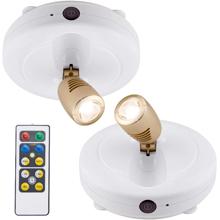
2. Adjustable Spotlights: Track or rail-style spotlights are great when you want to highlight specific zones—like a shoe wall, jewelry area or mirror. You can angle each head toward a different section so everything from your boots to your favorite bags gets its own beam of light. This option works especially well in deeper closets or spaces where you’ve installed a more built-in look similar to a custom freestanding closet system.
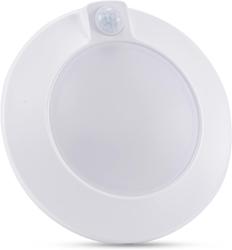
3. Flush Mount Lighting: Ceiling-mounted or recessed fixtures provide overall, “ambient” light for the entire closet. A low-profile flush mount is ideal in smaller spaces or over a center aisle in a walk-in, because it brightens the whole room without taking up headroom. Position the light slightly in front of hanging rods so the beam falls on your clothes rather than behind you.
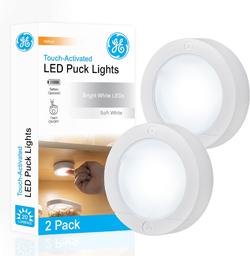
4. Puck Lights: Compact puck fixtures are ideal for targeted spots: inside cubbies, above a jewelry drawer or under a small shelf. Many are battery-operated or USB rechargeable, which makes them perfect for renters or older closets without wiring. Mount a row of pucks under a shelf to brighten a specific section—like your accessories area or a stack of storage boxes.
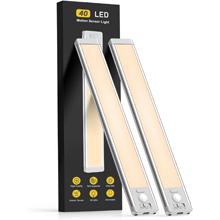
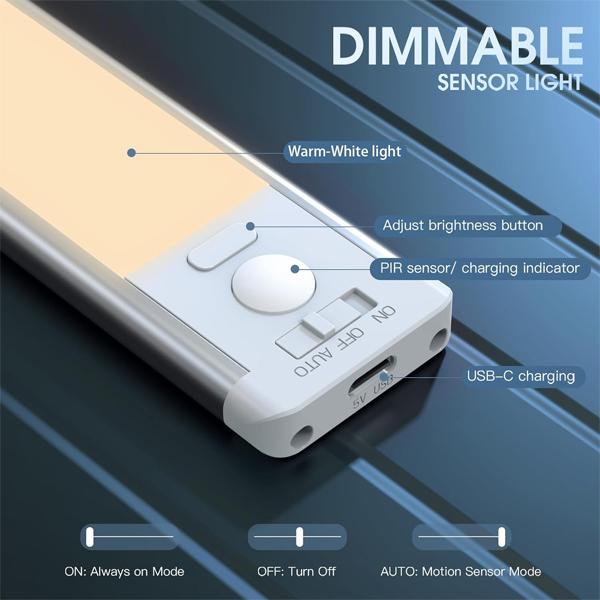
5. Motion Sensor Lights: Motion-activated lights switch on the moment you open the door or step inside, then shut off automatically after a set time. This hands-free feature is especially useful in small reach-ins or hall closets where you might only be in the space for a minute. You can also tuck slim sensor bars inside drawers or cabinets, so they light up as soon as you slide them open—perfect for jewelry, socks and other small items.
Comparative Table of Light Options
| Type | Advantages | Disadvantages | Best Use Cases |
|---|---|---|---|
| LED Strip Lights | Low profile, energy-efficient and great for continuous, even light | Requires careful placement and secure adhesive or clips | Under shelves, along rods and inside built-in closet systems |
| Adjustable Spotlights | Highlight specific zones, modern look, adjustable beam direction | Fixture and installation cost may be higher | Showcasing shoes, handbags or feature walls |
| Flush Mount | Clean, streamlined appearance with broad overall illumination | Usually needs hardwiring and possible professional install | Main ceiling light in walk-in or reach-in closets |
| Puck Lights | Easy to add almost anywhere; great for tight or awkward corners | Smaller coverage area; batteries need occasional replacement | Inside cubbies, over drawers and focused accent areas |
| Motion Sensor Lights | Hands-free, auto shut-off and very efficient in low-use spaces | Sensors may not trigger if poorly positioned | Entry closets, linen closets and small wardrobes |
Expert Recommendations:
Lighting pros often recommend layering your fixtures instead of relying on just one type. Think of it as three levels: ambient light from a ceiling fixture, task lighting at shelves and rods and a bit of accent light to show off favorite pieces. In a very small closet, this might be as simple as one flush mount paired with a few stick-on LEDs under shelves. In a larger setup—such as a small walk-in closet layout—you might combine a ceiling light, strips along the shelving and motion lights in drawers.
Also pay attention to color temperature. Warm white bulbs (around 2700K–3000K) feel cozy and flattering, while neutral to cool white (3500K–4000K) can make colors easier to distinguish. If you’re mainly getting dressed for work or coordinating outfits in this space, a neutral white is often a good balance between comfort and clarity.
Installation Tips for Optimal Results
Step-by-Step Guide
- Evaluate Your Space: Take a quick inventory of dark corners, deep shelves and areas where you struggle to see clearly. Measure key spots so you know how long strip lights should be or where fixtures will fit around rods and shelves.
- Select Your Fixtures: Decide which combination of ambient, task and accent fixtures will serve you best. For example, pair a flush-mount ceiling light with LED strips if you have tall shelving, or puck lights plus motion sensors for a compact small entryway closet.
- Gather Necessary Tools: For most installations, you’ll need a tape measure, level, screwdriver, drill and appropriate screws or mounting hardware. Many battery-powered lights come with adhesive pads, but having extra mounting tape or small brackets on hand is helpful.
- Install Fixtures: Follow the manufacturer’s instructions carefully. Mount ceiling fixtures securely into junction boxes, and press strip lights onto clean, dry surfaces. Keep wiring neat and away from moving doors or drawers.
- Test and Adjust: Turn everything on and stand in different spots in the closet. Look for shadows on your clothes or dark areas on shelves. Adjust angles, add an extra puck or shorten a strip if needed until the whole space feels bright and even.
Safety Considerations
Because clothing and boxes are packed closely together in most closets, it’s important to treat lighting as a safety project as well as an organizing one.
- Choose enclosed fixtures near clothing: Exposed bulbs can sit too close to fabric and create unnecessary heat. An enclosed flush mount or lens-covered strip is a safer choice in tight spaces, especially above shelves packed with linens or sweaters.
- Skip halogen bulbs and use LEDs instead: Halogen lamps run very hot and are not ideal in cramped closets. LEDs stay much cooler, use less energy and last far longer—making them the best fit for small closet lighting projects.
- Follow electrical codes and hire help when needed: Any hardwired fixture should comply with local building codes and be installed on an appropriately sized circuit. If you’re adding new wiring, cutting into ceilings or installing recessed lights, it’s wise to bring in a licensed electrician to handle the setup safely.
The Bottom Line:
Upgrading your closet lighting is a relatively small project that pays off every single day. With a thoughtful mix of fixtures, the right bulb color and a safe installation, you can turn a dim storage area into a bright, inviting space that supports the way you actually live. Combine good lighting with smart shelving, hooks and organizers, and your closet becomes more than just a place to stash clothes—it becomes a streamlined, easy-to-use part of your home.