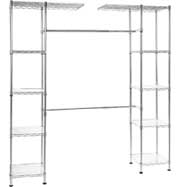
Turning a tiny entryway closet into a hard-working, welcoming landing zone takes a bit of intention, but it’s absolutely doable. Start by clarifying how you really use the space. Is it mostly for coats and shoes, or do you also need a spot for bags, mail and dog-walking gear? Deciding on your top priorities first will make every organizing choice easier and help you avoid the “junk closet” trap. For more ideas on planning a full small entryway closet makeover, it can help to sketch out what you’d like to store before buying organizers.
Expert Organizing Tips for Small Spaces
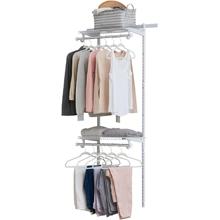
1. Maximize Vertical Space: In a narrow entry closet, the walls are your best friends. Add adjustable shelves as high as you can reach and consider a second hanging rod under the first to double your hanging room for jackets and shorter coats. If studs allow, a slim rail of hooks or even a small pegboard along the side wall can hold umbrellas, dog leashes and reusable shopping bags. Track-style systems like ClosetMaid ShelfTrack also work well when you want shelves that can move as your needs change.
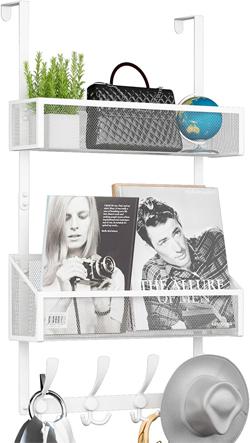
2. Utilize the Door: The back of the door is prime real estate that often goes unused. Over-the-door organizers are great for corralling smaller, grab-and-go items such as gloves, hats, dog bags and sunglasses. You can dedicate one row to each family member or divide pockets by category so everyone knows exactly where to put things back.
3. Incorporate Bins and Baskets: Open shelves quickly look messy when everything is loose. Labeled bins and baskets create “homes” for your gear and instantly make the closet feel calmer. Clear bins work well if you want to see contents at a glance; woven or fabric baskets add texture and can hide visual clutter. In a very shallow closet, consider stackable drawers in the closet so you can slide items out instead of digging around on deep shelves.
4. Install a Pull-Out Drawer: A slim pull-out drawer under the lowest shelf is perfect for catch-all items that otherwise end up on counters—think keys, sunglasses, spare masks and lip balm. Keeping these little things contained in one hidden spot helps the rest of the closet stay visually clean and reduces that frantic “where are my keys?” feeling on busy mornings.
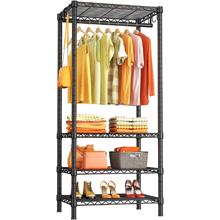
5. Add a Shoe Rack: Shoes are usually the first thing to take over an entry closet floor. A low-profile shoe rack or narrow tiered shelf gives every pair a landing place and makes it easier to sweep or vacuum underneath. If you’re tight on depth, try a shallow, tilted rack or a pull-out shoe drawer that tucks under hanging coats, similar to the shoe storage ideas used in many walk-in closet organizers.
6. Add a Hanging Shelf Organizer: Hanging shelf organizers that clip onto the main closet rod are a simple way to carve out extra compartments without tools. Use them for rolled scarves, beanies, small handbags or even neatly folded sweatshirts. Because they’re lightweight and removable, you can swap them out seasonally when your gear changes.
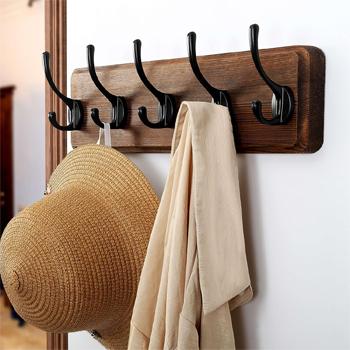
7. Install Hooks for Coats & Bags: Not every item needs a hanger. Wall-mounted hooks inside or just outside the closet work beautifully for backpacks, tote bags, raincoats and dog leashes. Stagger a few at kids’ height so they can hang their own gear, and use double hooks to layer items in a narrow footprint.
8. Create a Drop Zone: Designate one small area as your “landing pad” for daily essentials. A shallow tray or basket on a waist-high shelf can hold keys, wallets, transit cards and earbuds. In very compact spaces, a mini portable unit or slim freestanding organizer tucked right next to the closet can act as your drop zone if shelf space is scarce.
9. Add a Light: A dark entry closet makes it far too easy to lose track of what you own. If there’s no hardwired fixture, stick-on battery-operated LED or motion-sensor lights are a quick upgrade. Mount one near the top of the door frame or under a shelf so the entire interior is visible when you open the door.
How to Avoid Common Mistakes
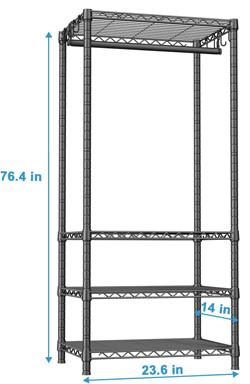
It’s very easy to undo your hard work in a small entryway closet if you’re not careful. The biggest mistake is trying to store too much. When every hook and shelf is packed, nothing is easy to reach and the area quickly feels messy again. Keep only current-season coats and shoes here, and move off-season or rarely used items to a bedroom or utility closet.
Another common slipup is skipping proper measurements. Before you buy an expandable organizer, shoe rack or mini cabinet, measure the interior width, depth and height of the closet, plus the clearance behind the door. Comparing those measurements to product dimensions will keep you from ending up with pieces that don’t fit or block the doorway.
Many people also overlook the need for flexibility. A setup that works perfectly in winter might feel cramped in summer when bulky coats are gone and small accessories take over. Choosing adjustable shelves, modular units and movable hooks—similar to what you’d find in a modular closet system—lets your entry closet evolve with your lifestyle instead of locking you into one layout.
How Much Money to Expect to Spend on a Small Closet Organizer
Budget for an entryway closet makeover can be very reasonable, especially in a small space. If you’re sticking to basics—hooks, a few baskets, an over-the-door organizer and a simple shoe rack—you can often refresh the entire closet for $20 to $50. This is ideal if you’re renting or just testing out a new setup before committing to anything permanent.

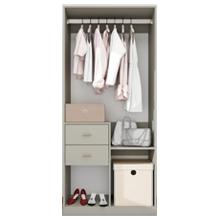
Mid-range setups in the $100 to $300 range usually include an expandable organizer, better-quality shelving, a shoe solution and a few specialty pieces like pull-out drawers or divided bins. If you decide to invest in a small entry closet as a “mini mudroom,” a compact system with drawers and cubbies—similar in feel to a scaled-down freestanding closet system—may run closer to $200–$500, but will feel built-in and last for years.
My Final Thoughts:
A small entryway closet doesn’t have to feel cramped or chaotic. With smart use of vertical space, the back of the door, good lighting and a few well-chosen organizers, you can turn that tiny footprint into a hardworking hub that supports your daily routine. Focus on your true essentials, give everything a clear “home” and choose pieces that can adjust over time. With a little planning—and the right mix of shelves, hooks and bins—you’ll create a tidy, welcoming entry that makes coming and going feel calmer every single day.