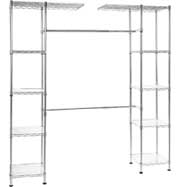
Transforming a basic storage area into a closet that actually works for your daily routine doesn’t have to mean a full remodel. With a few smart upgrades, you can turn even a tiny walk-in into a space-efficient, good-looking “mini dressing room.” This guide walks you through practical layout ideas, organization strategies and design touches you can pair with systems like an easy modular closet system or adjustable shelving to get the most out of every inch.
Assessing Your Space
Before you start buying shelves or hanging rods, take time to measure and sketch your closet. Knowing your exact dimensions makes it much easier to choose the right closet organizer system and avoid pieces that don’t quite fit. Use the guidelines below as a starting point when planning your layout.
| Measurement | Recommended Size |
|---|---|
| Minimum Width | 5 feet |
| Minimum Depth | 6 feet |
| Ideal Height for Shelves | 12-18 inches apart |
| Hanging Rod Height | 60-66 inches |
These numbers don’t have to be exact, but they give you a realistic sense of how much hanging, shelving and drawer space you can create. Once you have your measurements, you’ll be better prepared to choose between options like adjustable track shelving, modular wood towers or a compact freestanding closet system.
Utilizing Vertical Space
In a small walk-in closet, vertical space is your secret weapon. Instead of letting walls sit half-empty above a single rod, think floor-to-ceiling storage that’s still easy to access.

1. Overhead Storage: The area above your hanging rods is prime real estate for things you don’t grab every day—think off-season clothes, extra blankets or spare handbags.
Install sturdy upper shelves and dedicate them to “once in a while” items. Storing everything in labeled, clear boxes keeps dust under control and lets you see exactly what’s up there so you’re not pulling down random bins just to find a sweater.
2. Stackable Bins: Clear, stackable drawers or bins work wonders for shoes, scarves and small accessories. These space-saving closet drawers let you build vertical towers instead of spreading items across the floor.
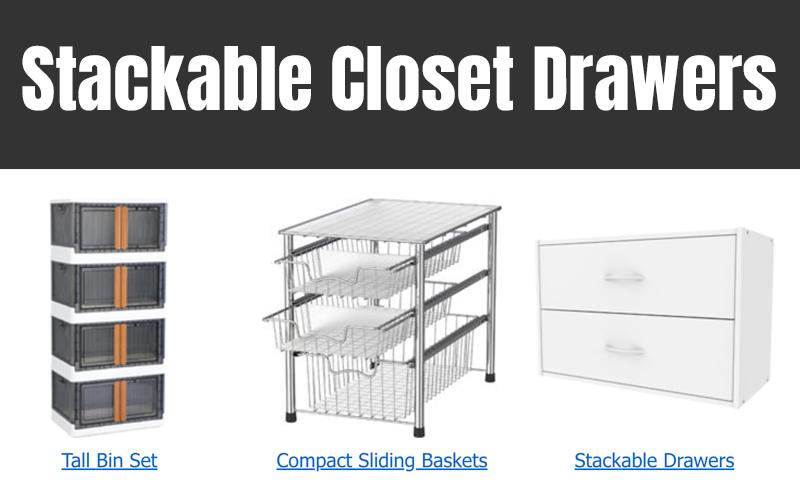
You might dedicate one column of drawers to flats and sandals, another to workout gear and a third to hats or belts. Because everything is contained and labeled, the floor stays visible and the closet instantly feels less crowded.
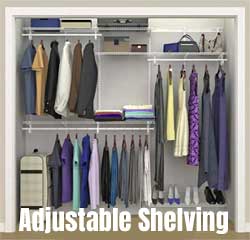
3. Adjustable Shelving: Flexibility is essential in a small closet, and adjustable track shelving gives you room to grow and change. You can raise or lower shelves as your wardrobe shifts through seasons or as you add more bins and baskets.
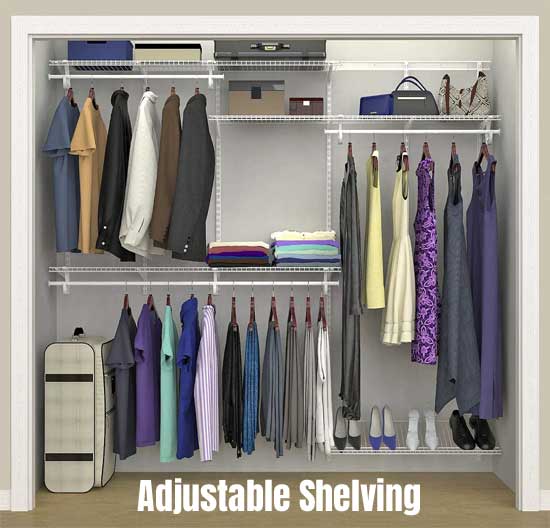
For example, you can keep tall shelves in winter to accommodate boots and bulky sweaters, then lower them later to create more shallow shelves for folded tees or shoe boxes. Systems like ShelfTrack or other modular kits make these tweaks quick and DIY-friendly.
- Review your setup a couple of times a year and adjust shelf spacing or bin placement so your closet continues to fit how you actually live, not just how it looked on day one.
When you combine overhead shelving, stackable bins and adjustable tracks, even a very small walk-in closet can handle a surprisingly large wardrobe without feeling jam-packed.
Smart Layout Options
The right layout can make the difference between a closet that always feels cramped and one that works almost like a mini boutique. Here are some layouts that tend to work well in small walk-in spaces.
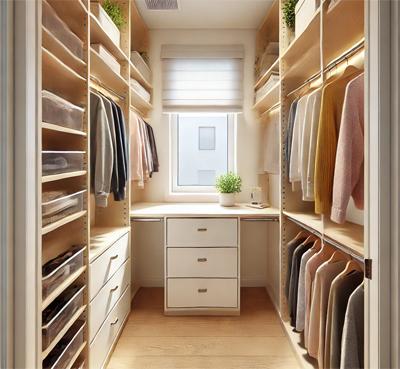
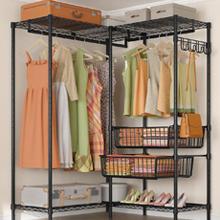
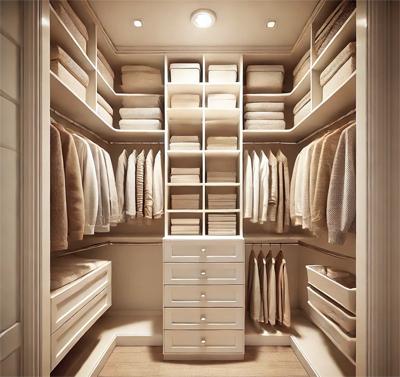
1. U-Shaped Design: A U-shaped layout wraps storage around three walls. This gives you hanging space, shelves and possibly drawers while keeping the center open so you can move comfortably.
One wall might hold long-hanging items, another can be dedicated to shelves and stackable drawers, and the third can house a tower with drawers or a built-in hamper. This approach is especially effective if you’re upgrading to a more permanent system like a DIY walk-in closet organizer.
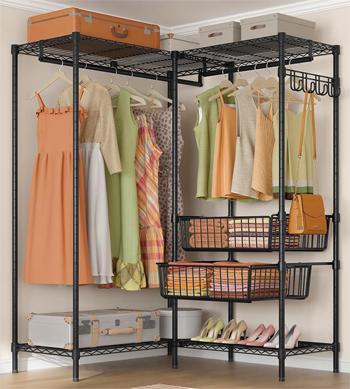
2. L-Shaped Configuration: An L-shaped layout is perfect when your closet has a tricky corner or you’re working with a tighter footprint. One wall can handle long garments, while the shorter wall can host shelves, drawers or a compact tower.
Keeping the center clear makes the room feel bigger, and you still get a nice mix of hanging, folded and accessory storage. This approach pairs well with smaller modular systems or a single L-shaped organizer kit.
3. Double Hanging Rods: If most of your wardrobe is shorter items—shirts, blouses, folded-over pants—double hanging rods give you the biggest payoff. By adding a second rod below the first, you essentially double your hanging capacity in the same footprint.
You can separate categories (tops on top, bottoms below), or current season at eye level and off-season below. Double hanging works especially well under an upper shelf so you still get overhead storage for bins and baskets.
- Whatever layout you choose, aim to keep your daily-use items at eye or hand level, and reserve the highest and lowest zones for things you don’t reach for as often.
Dialing in the right configuration up front will make your closet feel more intuitive to use—and a lot easier to keep tidy.
Advanced Organization Techniques
Once your basic layout is in place, small upgrades can take your closet from “better than before” to “this actually works every single day.”
1. Color-Code Your Clothing:
Grouping clothes by category, then by color, creates instant visual order. Line up shirts from light to dark, do the same with dresses or jackets and you’ll be able to spot specific pieces much faster.
This simple system also makes a small walk-in feel calmer and more intentional—especially when combined with matching slim hangers and a clean, light backdrop.
2. Use Drawer Dividers for Accessories:
Belts, scarves, sunglasses and jewelry can quickly turn into a jumble if they share one open drawer. Add dividers or small trays so each type of item has a defined “home.”
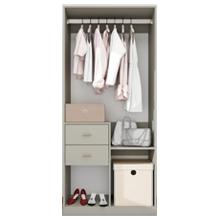
You can dedicate a shallow drawer in a closet kit with built-in drawers just to accessories, using inserts to separate rings, watches or small pouches. This keeps everything visible but prevents pieces from sliding around and tangling.
3. Incorporate a Pull-Out Shoe Rack:
Shoes tend to migrate all over the floor if they don’t have dedicated space. A pull-out shoe rack uses narrow, vertical space and keeps pairs lined up neatly.
Install one beneath hanging clothes or alongside a tower so it slides out when you need it and tucks away when you don’t. Look for adjustable shelves if you have a mix of flats, heels and taller boots.
- Do a quick “reset” every week or two—put shoes back on their rack, fold anything that’s slipped off shelves and return accessories to their sections so clutter never has a chance to build up.
These small habits and upgrades keep your closet working smoothly long after the initial organizing project is done.
Enhancing Aesthetics
A small walk-in closet can still feel pretty and inviting. A few design choices will help the space feel larger, brighter and more “finished.”
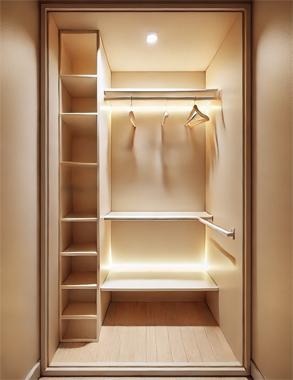
1. Choose a Light Color Palette: Pale walls and shelving—white, cream, soft gray—bounce light around and make tight spaces feel more open. Light finishes also pair nicely with white wire systems or wood-toned modular closet components.
2. Add a Few Decorative Touches: Treat your closet like a tiny room, not just a storage box. A framed print, small rug or decorative storage box on an upper shelf brings in personality.
A mirror is especially helpful—it gives you a spot for quick outfit checks and reflects light, making the closet feel wider and brighter.
3. Layer in Soft Lighting: Harsh overhead bulbs can make a closet feel dim and shadowy. Instead, opt for LED strip lights under shelves, warm puck lights or a small decorative fixture that adds both light and style.

Battery-operated options are great if you don’t want to hard-wire anything. Place lights where they actually help—inside dark corners, near shoe shelves or above a drawer tower.
- Keep finishes cohesive—similar hanger styles, matching bins and a consistent color palette help even a budget closet look intentional and high-end.
When function and aesthetics work together, your small walk-in closet feels more like a boutique space and less like a storage afterthought.
Current Trends and Insights
Many of today’s closet trends work especially well in small spaces, because they focus on flexibility, visibility and smart use of every surface.

- Modular Shelving and Adjustable Rods: Flex systems and modular closet systems let you rearrange shelves, rods and drawers as your wardrobe and lifestyle change, instead of locking you into one permanent layout.
- Slimline Hangers and Vertical Space: Thin, non-slip hangers instantly free up rod space and work beautifully with double hanging sections, overhead shelves and stacked bins.
- Integrated Lighting: Motion-sensor LED strips, toe-kick lighting and in-cabinet lights are showing up more often—even in DIY projects—because they make small closets feel polished and practical.
- Pull-Out Accessories & Inserts: Slide-out trays for shoes, belts, ties or jewelry keep little items contained but easy to reach. Pair these with drawer inserts so your smaller pieces never end up in a tangled pile.
- Mirrored or Glass Doors: If you’re adding doors over a wardrobe or tower, mirrors or glass panels can visually enlarge the space and reflect light back into the closet instead of closing it in.
Blending one or two of these trends into your design can give even a modest closet a more custom, high-end feel.
Budget-Friendly Solutions
You don’t have to spend a fortune to get a closet that works. Mix and match affordable pieces and DIY upgrades to stretch your budget further.
| Solution | Estimated Cost | Benefits |
|---|---|---|
| DIY Shelving | $50 – $150 | Customizable and cost-effective storage solution. |
| Storage Bins | $20 – $100 | Helps organize items and maximizes vertical space. |
| Lighting Fixtures | $30 – $200 | Enhances visibility and overall aesthetics. |
For even more savings, consider combining an inexpensive track system with budget-friendly stackable drawers or cube storage; you can always upgrade to a larger closet organizer kit later if you want a built-in look.
The Bottom Line:
Designing an efficient small walk-in closet is all about smart planning and thoughtful details. When you maximize vertical space, choose a layout that fits your habits, layer in good lighting and use bins, drawers and dividers wisely, your closet becomes easier to use—and much nicer to look at.
Start with measurements, pick a system that fits your budget and style, then refine with organization tools and lighting. With a few upgrades and a bit of creativity, you can turn your closet into a space that feels organized, beautiful and tailored to the way you live every day.